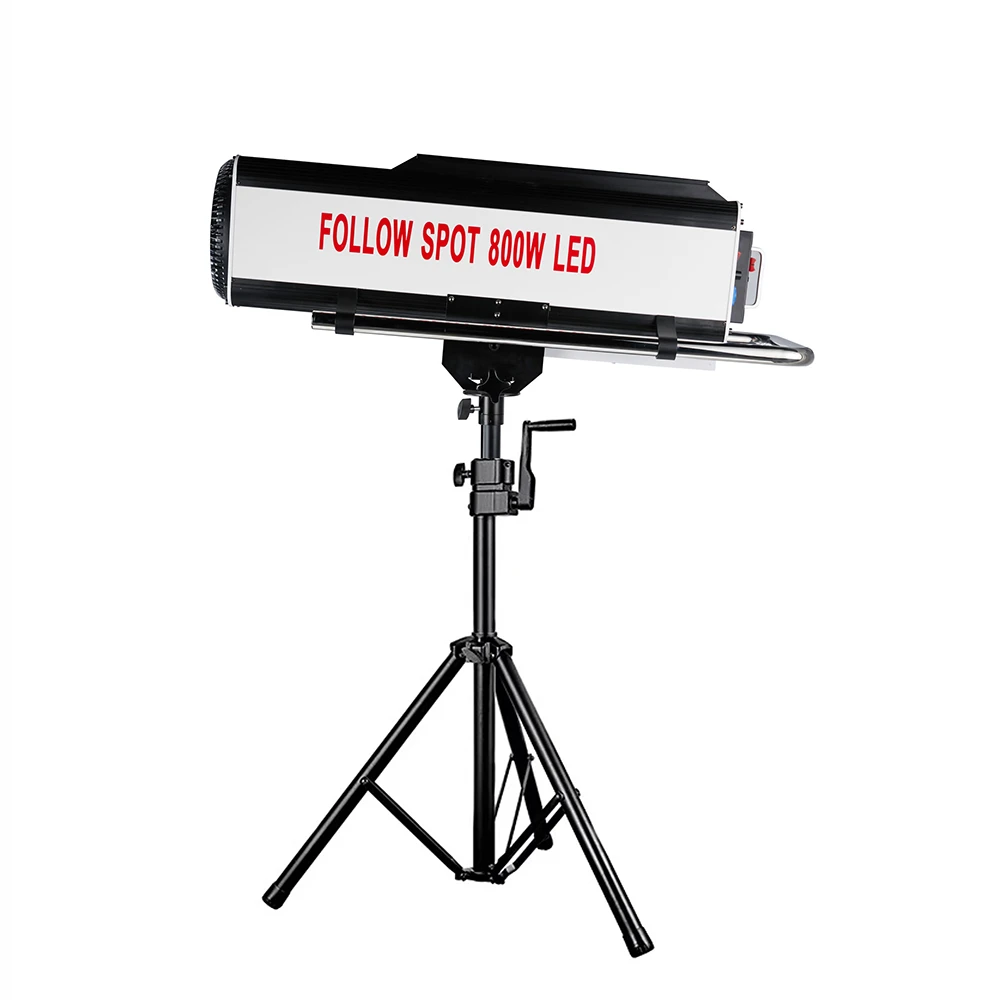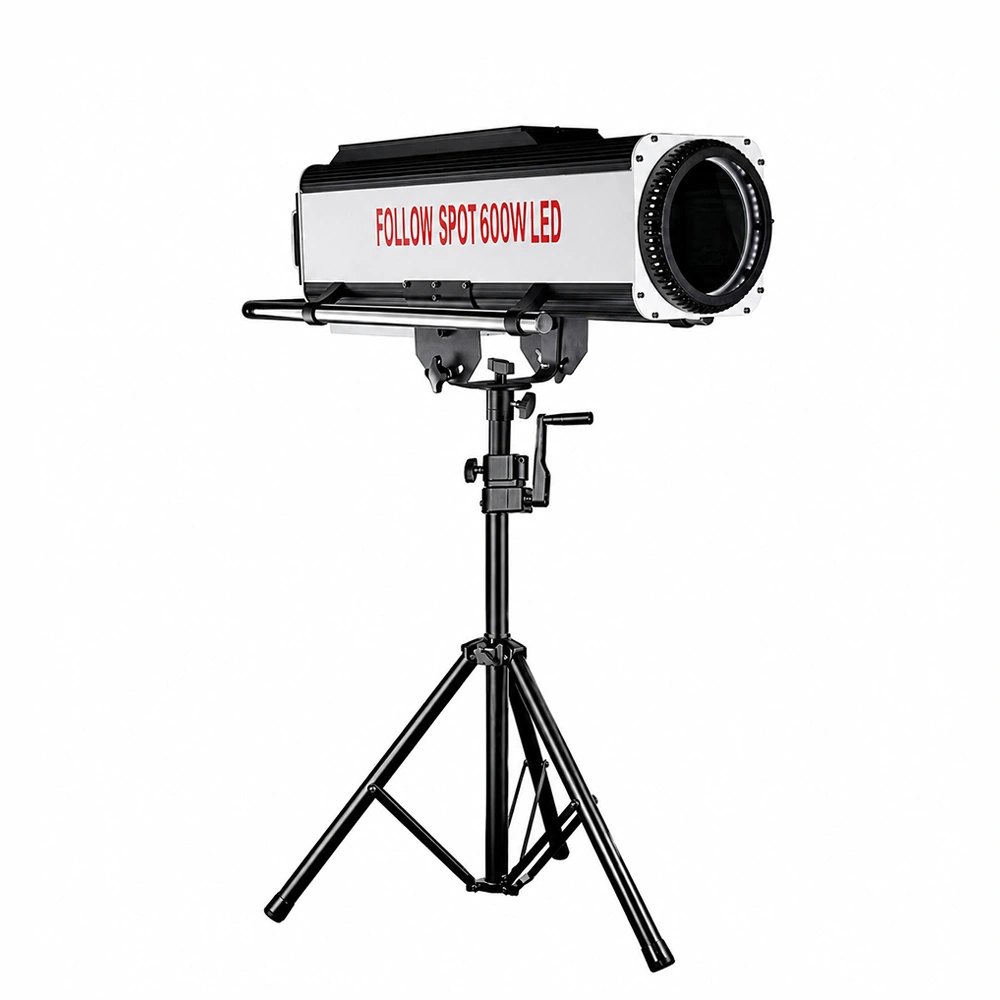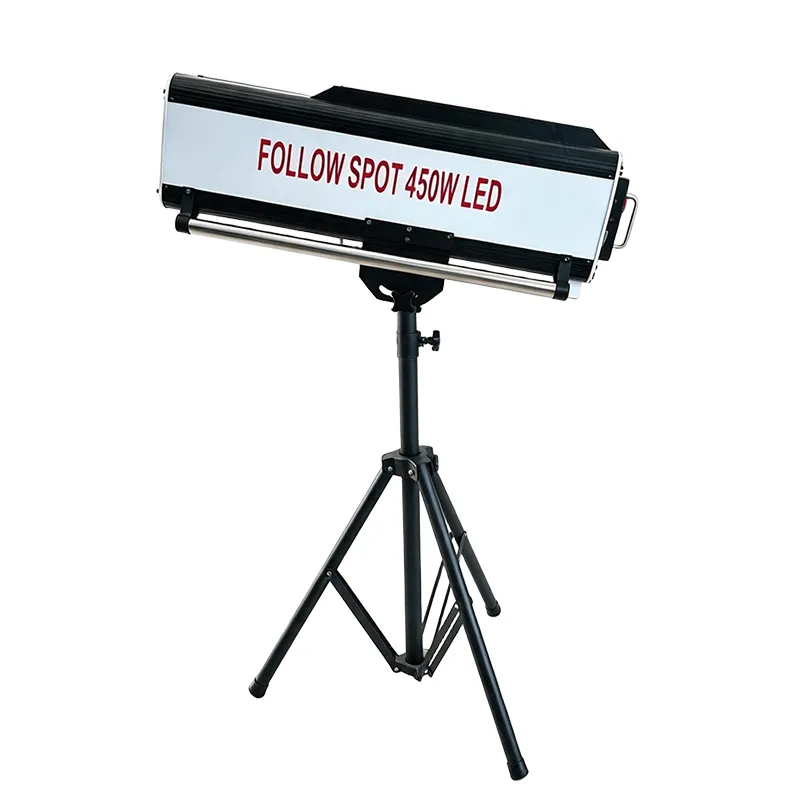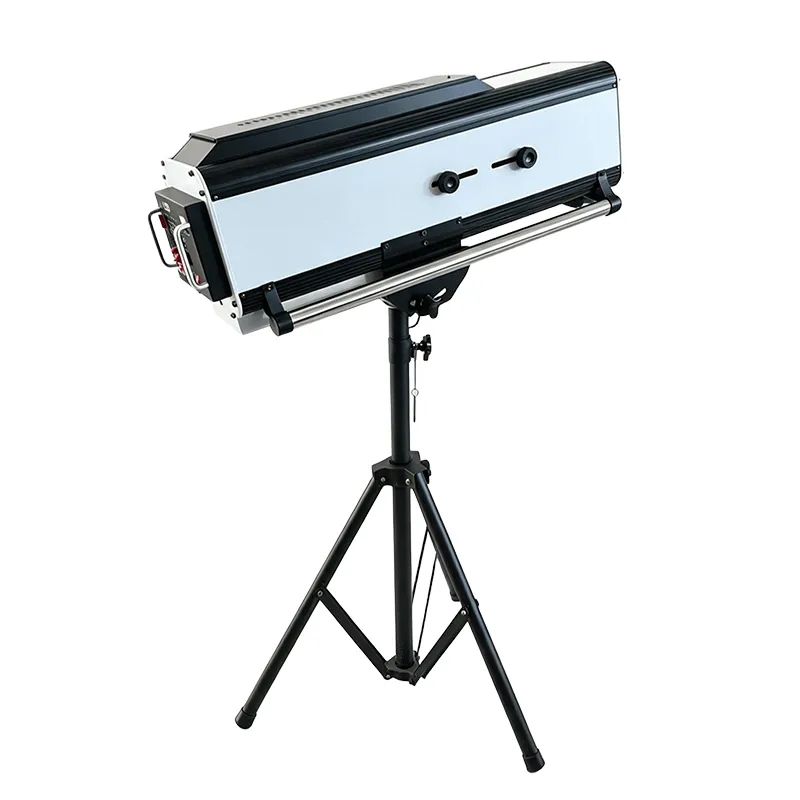
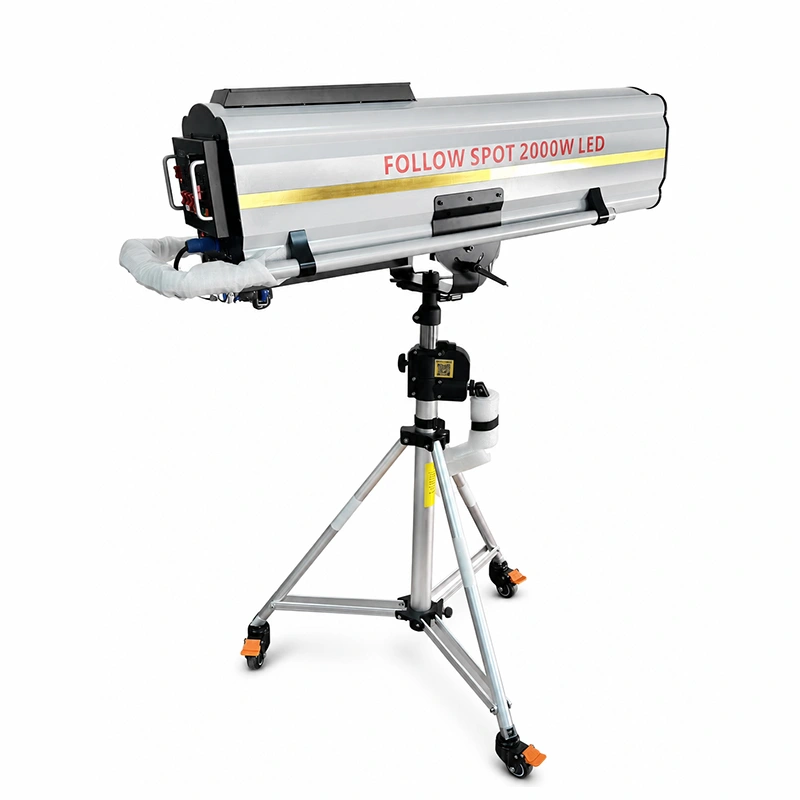
Follow Spot

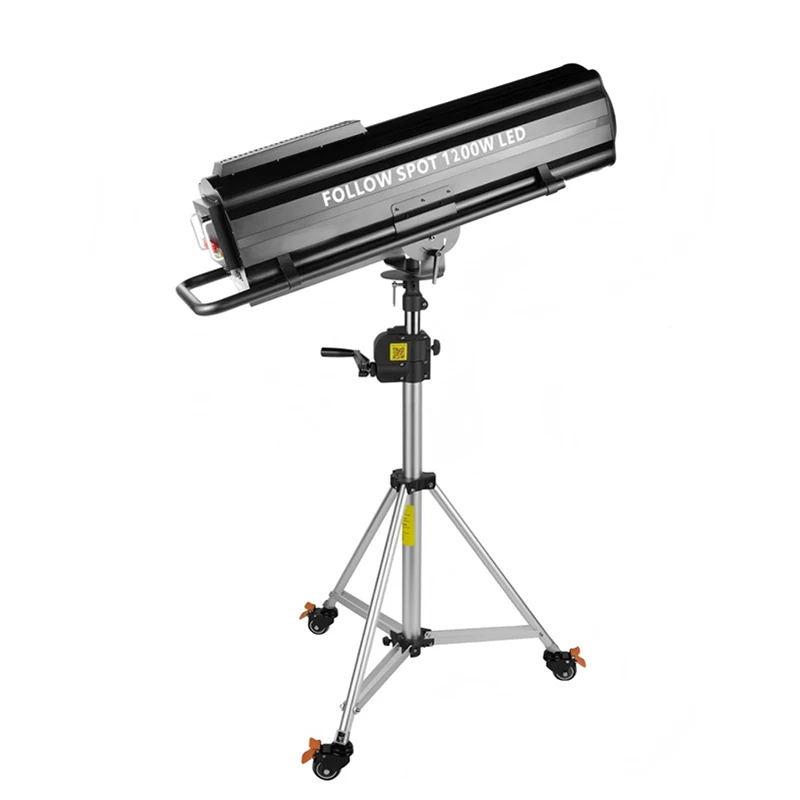
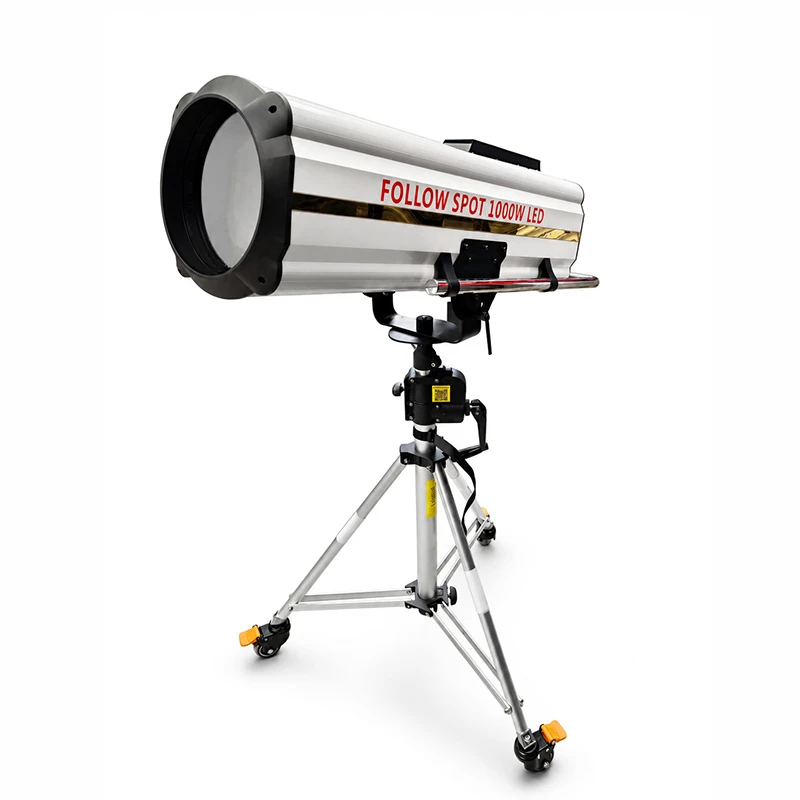
Follow spot is a high-intensity stage lighting fixture designed to project a focused beam onto a performer or subject and follow them as they move across the stage. It can be operated manually by a follow spot operator or controlled through a remote follow spot system. Depending on the model, beam size, focus, brightness, color temperature, and other optical effects can be adjusted to suit different performance requirements.

Professional follow spots are widely used in theaters, auditoriums, schools, churches, and other performance venues. High-output and long-throw follow spots are especially suitable for concerts, music festivals, arenas, stadiums, and large live events where powerful, precise illumination is required over longer distances.

Follow Spot Components and Structure

Follow Spot Components and Structure
follow spot tripod stand

A professional follow spot combines a high-output light source, optical system, beam adjustment mechanisms, cooling components and operator controls. Although the exact construction varies between LED, HMI and xenon models, most follow spots include the following key components.

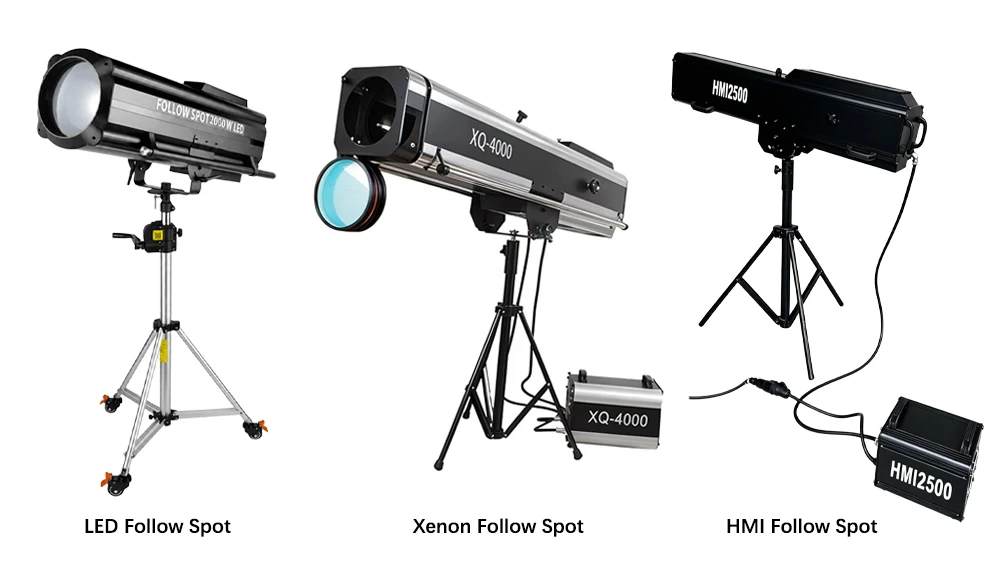
Types of Follow Spots

Follow spots can be classified by light source, operating method and control system. LED, HMI and xenon models are distinguished by their light-source technologies, while manual and automated follow spots are classified by the way the beam is aimed and controlled.

LED Follow Spot

LED follow spot uses a high-power LED light engine to deliver a bright, focused and precisely controllable beam. It offers instant start and restart, smooth dimming, lower power consumption and less routine maintenance than traditional discharge-lamp models. With proper cooling and operating conditions, the LED light source can achieve a service life of up to 50,000 hours.

LED follow spots are widely used in theatres, schools, churches, auditoriums, weddings, rental productions and medium-to-large stages. Available functions may include adjustable zoom, focus and iris, selectable color temperatures, color filters and DMX control.

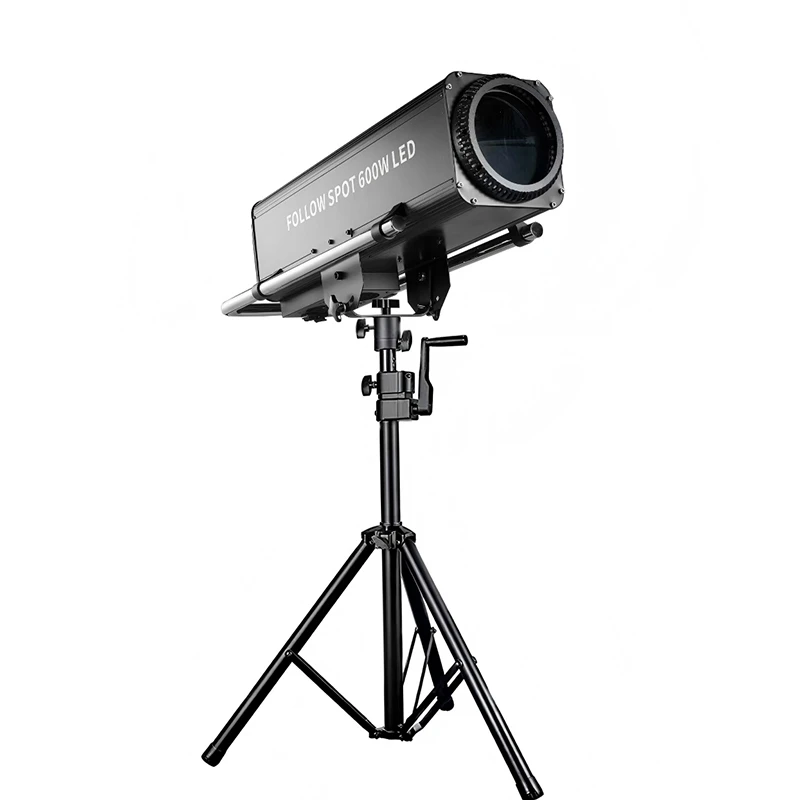
600W LED Follow Spot

600W LED Follow Spot

LFS600

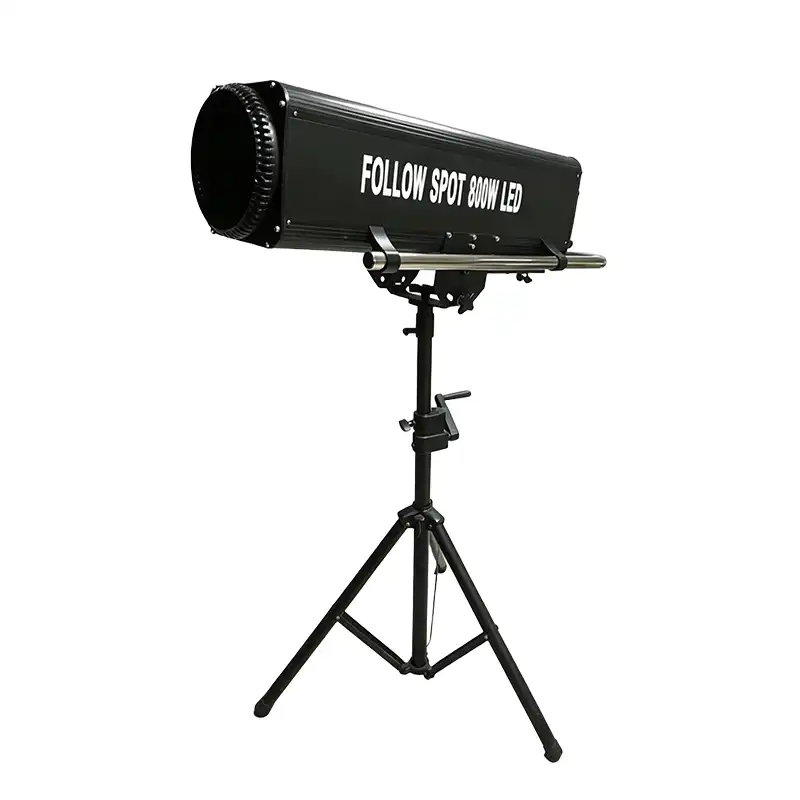
800W LED Follow Spot

800W LED Follow Spot

LFS800

1000W LED Follow Spot

1000W LED Follow Spot

LFS1000

1200W LED Follow Spot

1200W LED Follow Spot

LFS1200

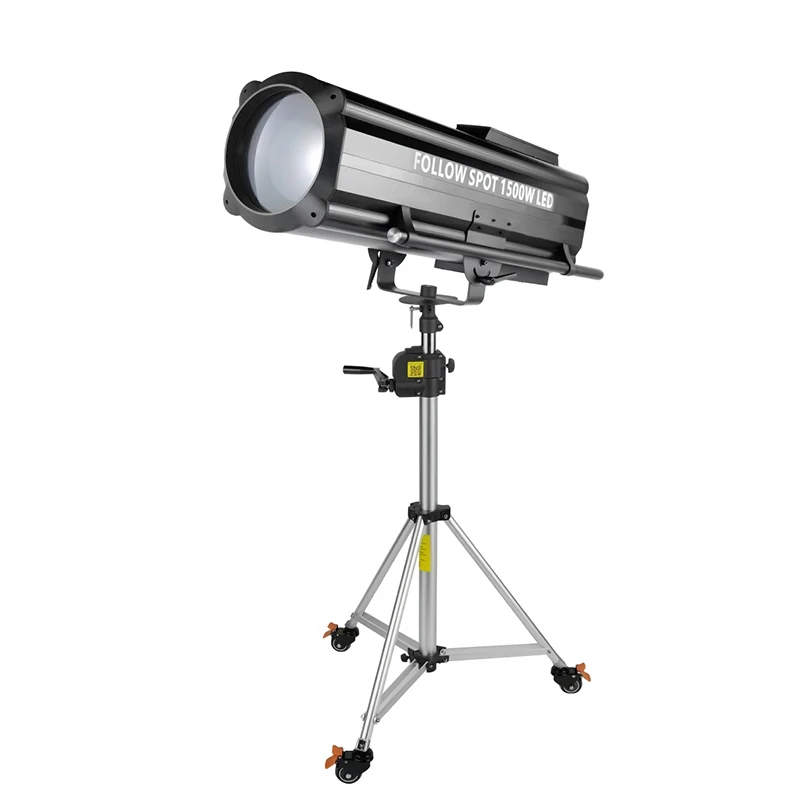
1500W LED Follow Spot

1500W LED Follow Spot

LFS1500

2000W LED Follow Spot

2000W LED Follow Spot

LFS2000
Outdoor 600W LED Follow Spot

Outdoor 600W LED Follow Spot

LFS600IP

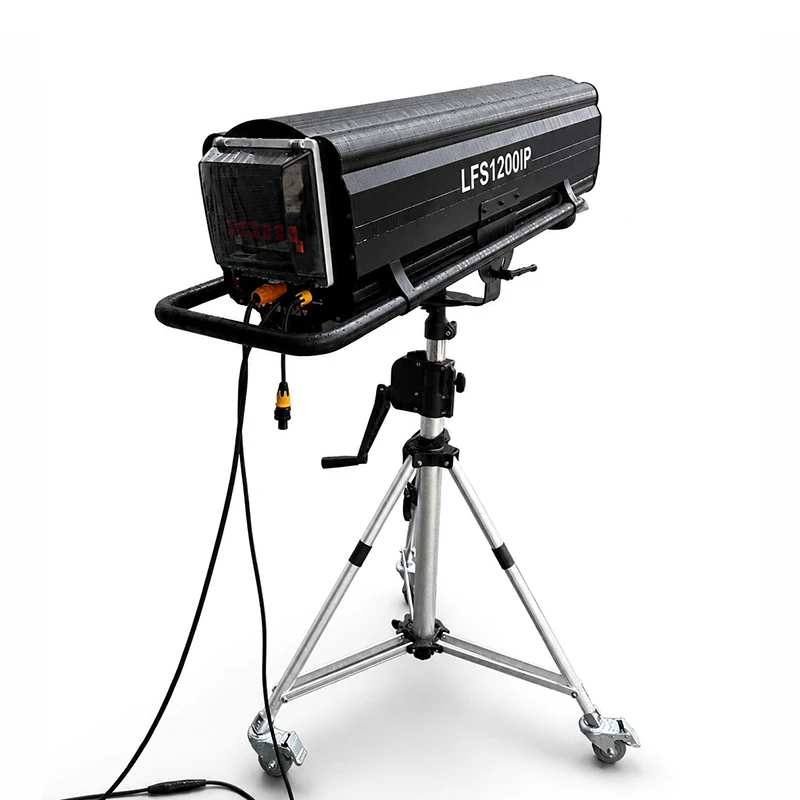
Outdoor 1200W LED Follow Spot Light

Outdoor 1200W LED Follow Spot

LFS1200IP
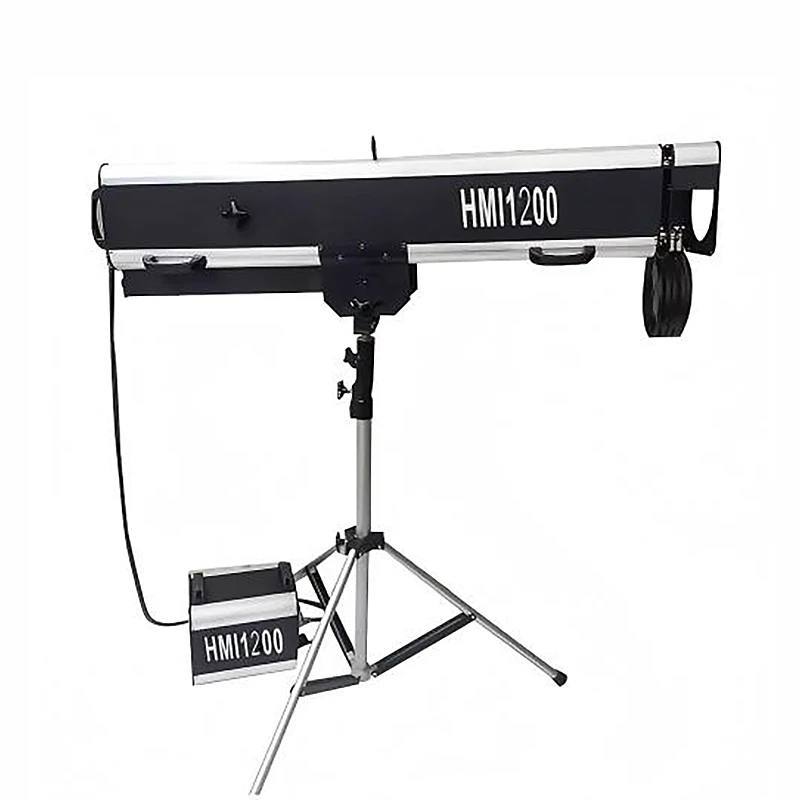
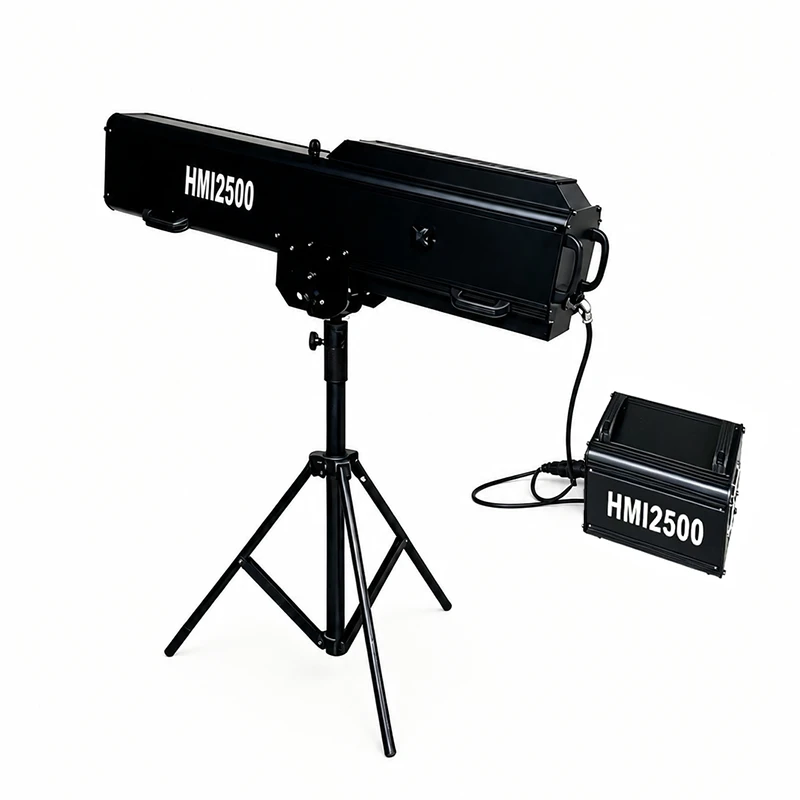
HMI Follow Spot

HMI follow spot uses a metal halide discharge lamp to generate intense, daylight-balanced illumination. Its high luminous output makes it suitable for medium- and long-throw applications in theatres, television studios, arenas and live events.

HMI follow spots normally require a dedicated ballast and should be operated according to the lamp and ballast manufacturer’s starting, cooling and maintenance instructions. They are valued for their strong output and daylight-like color characteristics.

HMI 1200W Follow Spot Light

HMI 1200W Follow Spot Light

HMI1200

HMI follow spot 2500w

HMI 2500W Follow Spot Light

HMI2500

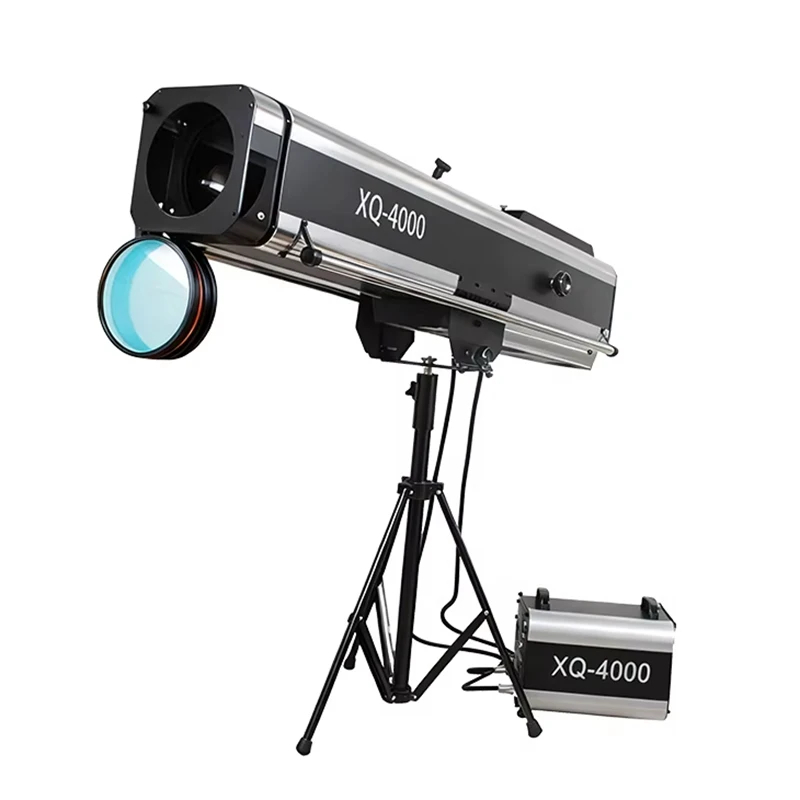
Xenon Follow Spot

Xenon follow spot uses a high-pressure xenon short-arc lamp to create an extremely bright and concentrated source of white light. The compact arc allows the optical system to produce a powerful, sharply defined beam for long-distance projection.

Xenon follow spots are commonly selected for arenas, stadiums, large theatres, touring productions and other venues requiring high center-beam intensity. They require a dedicated power supply and trained maintenance because the lamp remains under high internal pressure.

4000W Xenon Follow Spot

4000W Xenon Follow Spot

XQ4000

Can a follow spot be controlled by DMX?

Yes, some follow spots support DMX control. Depending on the model, DMX may control dimming, strobe, color, color temperature, iris, focus or zoom. However, a DMX follow spot is not necessarily fully automated. Many models still require an operator to aim and move the fixture manually.

Consider the throw distance, required beam diameter, ambient lighting, venue size, mounting position, power supply and control requirements. Smaller theatres and churches may prefer LED models, while arenas and long-throw applications may require higher-powered LED, HMI or xenon follow spots.

Yes. For outdoor events, always choose a follow spot with a suitable ingress protection rating. Austage Lighting offers IP56-rated outdoor follow spots, including the LFS600IP, LFS800IP and LFS1200IP. These models are equipped with an IP67-rated protective cover for the control panel, providing additional protection against dust and water ingress.

All external power connections and cables should still be properly protected from water, and the fixture must be installed and operated according to the product’s safety instructions.

To become a follow spot operator, you should learn basic stage lighting, fixture setup, beam focusing, cue communication and safe equipment handling. Operators normally follow instructions from the lighting designer or stage manager and rehearse performer movements before a show. Practical training in a theatre, school, rental company or production team is the most effective way to build experience.

Follow Spot Safety and Maintenance

Follow Spot Safety and Maintenance

Safety Precautions

Avoid looking directly into the beam while the follow spot is operating. High-intensity light can cause eye discomfort or injury.

Keep the fixture away from water, liquids, conductive objects and excessively hot environments. Do not aim the beam at flammable materials. Maintain a safe distance of at least 2 metres between the beam and flammable objects, unless a different distance is specified in the model’s instruction manual.

Maintain at least 0.5 metres of clearance between the fixture and surrounding surfaces to ensure adequate ventilation and heat dissipation.

Cleaning and Maintenance

Disconnect the follow spot from the power supply before opening the housing, cleaning the fixture or carrying out maintenance.

Regular cleaning helps maintain light output and may extend the service life of the fixture. Clean optical glass with an appropriate professional lens or glass cleaner and a soft, lint-free cloth. Do not use alcohol, abrasive cleaners or unsuitable chemical solvents unless approved by the manufacturer.

Remove dust from air inlets, outlets, fans and internal components at regular intervals. Internal cleaning and electrical inspection should be carried out by qualified personnel.

Service and Light Source Replacement

Do not disassemble, modify or repair the follow spot without authorization. LED light engines, discharge lamps, ballasts, power supplies and internal optical components should be replaced or serviced by qualified technicians.

Before switching on the fixture or carrying out any service work, confirm that all covers, connectors and safety components are correctly installed.

Please leave your message,
and our team will respond within 24 hours.